
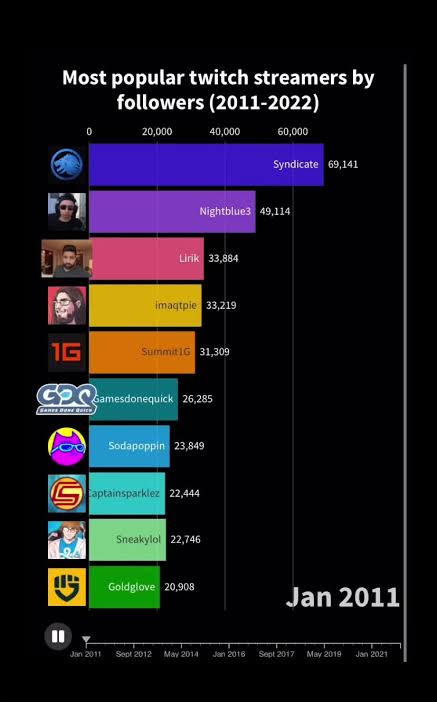
Live streaming has become one of the most popular forms of digital entertainment worldwide. Millions of viewers tune in every day to watch their favorite creators play video games, share their daily best sportsbetting odds lives, react to trending topics, host live conversations, and participate in interactive events. The biggest live streamers worldwide have transformed this growing industry into a powerful part of modern internet culture.
From gaming enthusiasts to lifestyle creators and entertainment personalities, successful streamers attract global audiences through their unique personalities, creative content, and direct communication with fans. Understanding who these streamers are, which platforms they use, and how they build their communities provides a complete picture of the modern live-streaming landscape.
What Makes a Live Streamer One of the Biggest Worldwide?
Becoming one of the biggest live streamers requires more than simply attracting viewers. Successful creators combine entertainment, consistency, audience engagement, and a recognizable online identity. Their influence often extends beyond streaming platforms into social media, sponsorships, merchandise, and mainstream entertainment.
Several factors contribute to a streamer’s popularity.
Audience size: A large follower base can help a streamer reach millions of people when new content is published. However, followers alone do not guarantee consistent live viewership.
Average concurrent viewers: This measurement shows how many people watch a stream simultaneously. It is an important indicator of a creator’s ability to attract a regular audience.
Engagement: Popular streamers encourage viewers to participate through live chats, polls, challenges, and community activities. This interaction helps audiences feel connected to the content.
Content consistency: Regular streaming schedules make it easier for viewers to follow their favorite creators and build long-term viewing habits.
Influence across platforms: Many leading streamers distribute highlights and short videos across YouTube, TikTok, Instagram, and other social networks to reach audiences outside their main streaming channels.
Popular Live Streaming Platforms Around the World
Different platforms offer unique opportunities for creators. The biggest streamers often select their primary platform based on their content style, target audience, and available monetization features.
Twitch
Twitch is widely associated with gaming, esports, and interactive entertainment. Its live chat features allow viewers to communicate directly with creators during broadcasts.
The platform has helped numerous gaming personalities establish loyal communities. Streamers use it for competitive gaming, casual gameplay, Just Chatting sessions, live events, and collaborative broadcasts.
YouTube Live
YouTube offers live broadcasting alongside traditional videos and Shorts. This combination helps creators reach viewers through multiple content formats.
YouTube is particularly useful for streamers who want to preserve recordings, publish highlights, and attract new audiences through searchable video content. Its broad international reach also supports creators covering education, music, technology, lifestyle, and gaming.
Kick
Kick has gained attention as an alternative streaming service. It attracts creators interested in different monetization arrangements, flexible content formats, and opportunities to develop new audiences.
Its position in the market illustrates how competition between streaming platforms continues to influence creator choices.
Other Regional Platforms
Live streaming is not limited to Western platforms. Services such as Bilibili and Douyu have developed substantial audiences in China, while other regional services serve viewers in different countries.
These platforms demonstrate that streaming popularity depends on language, local culture, entertainment preferences, and access to digital services.
Some of the Biggest Live Streamers Worldwide
The global streaming community includes creators with different backgrounds, personalities, and specialties. The following personalities illustrate the variety of approaches that can lead to international recognition. This is an illustrative selection, not a definitive ranking by current live viewership.
Kai Cenat
Kai Cenat is known for energetic broadcasts, comedic content, celebrity appearances, and collaborative events. His streaming style frequently combines gaming with real-life entertainment.
One of his major strengths is creating moments that spread beyond the original broadcast. Clips from his streams circulate across social media, introducing his personality to people who may not regularly watch live content.
His success demonstrates how personality-driven entertainment can attract audiences beyond traditional gaming communities.
IShowSpeed
IShowSpeed has developed an international following through expressive reactions, gaming broadcasts, humorous moments, and travel-related content.
His energetic presentation appeals to viewers who enjoy unpredictable entertainment. Short clips from his broadcasts are frequently shared across social platforms, allowing his content to reach audiences in different countries.
His career also demonstrates how live streamers can build recognition beyond a single platform.
Ibai Llanos
Ibai Llanos is a prominent Spanish-speaking creator known for gaming, esports commentary, interviews, and large-scale entertainment events.
His content illustrates the importance of language-specific communities. By connecting with Spanish-speaking audiences and collaborating with well-known personalities, he has established a distinctive position in the streaming industry.
Ibai’s work also shows how livestreaming can develop into professionally organized entertainment productions.
Ninja
Ninja became widely recognized through competitive gaming and his association with Fortnite. His success helped bring gaming livestreams to a broader mainstream audience.
His career highlights the value of combining strong gaming skills with an engaging personality and a recognizable personal brand. It also demonstrates how gaming creators can expand into sponsorships, media appearances, and other entertainment opportunities.
xQc
xQc is known for long broadcasts featuring gaming, reaction content, and discussions of internet culture.
His rapid commentary and varied content have attracted viewers interested in spontaneous entertainment. His career reflects a wider streaming trend in which creators move between games, conversations, reactions, and other subjects rather than focusing on a single format.
The Different Types of Popular Live Streamers
The largest streaming audiences are distributed across several content categories. Each category appeals to different viewer interests and offers creators opportunities to develop a distinctive identity.
Gaming Streamers
Gaming remains one of the most recognizable forms of livestreaming. Creators broadcast popular games, participate in competitive matches, explain strategies, and interact with fans while playing.
Games such as Minecraft, Fortnite, and competitive multiplayer titles frequently support streaming communities because they provide exciting moments and ongoing opportunities for discussion.
Just Chatting Streamers
These creators focus on conversations, reactions, personal stories, interviews, and audience participation. Their broadcasts often feel informal and community-oriented.
Success in this category depends heavily on communication skills, humor, personality, and the ability to keep conversations interesting.
IRL Streamers
IRL, or in-real-life, streamers broadcast activities outside traditional gaming environments. Their content may include travel, food exploration, public events, and everyday experiences.
This format allows viewers to experience new locations and activities through a creator’s perspective. Responsible streaming also requires respect for privacy, local regulations, and the consent of people who may appear on camera.
Educational and Creative Streamers
Some creators broadcast coding sessions, art projects, music production, language learning, or other educational activities.
These streams appeal to viewers who want to learn skills while interacting with an instructor or creative professional. They show that livestreaming can provide value beyond entertainment.
How the Biggest Live Streamers Make Money
Successful streamers often combine several revenue sources rather than relying on a single platform payment system.
Subscriptions allow viewers to support creators through recurring payments in exchange for platform-specific benefits. Donations and tips provide another way for audiences to contribute during broadcasts.
Advertising can generate income when eligible streams display promotional content. Sponsorships are also important, with companies partnering with creators to introduce products or services to relevant audiences.
Additional revenue opportunities include merchandise, exclusive community memberships, event appearances, and content licensing.
Income varies significantly depending on audience size, viewer engagement, platform agreements, operating expenses, and sponsorship demand. A large follower count does not automatically translate into high earnings.
How Live Streamers Build Loyal Communities
The biggest live streamers understand that long-term success depends on relationships with viewers. Although impressive broadcasts can attract attention, consistent interaction helps turn casual visitors into regular audience members.
Successful creators often maintain predictable schedules, respond to chat messages, develop recurring content segments, and collaborate with other streamers. They also publish highlights and short clips to help new viewers discover their work.
Authenticity is another important factor. Audiences often appreciate creators who communicate naturally and develop a recognizable style rather than copying every popular trend.
At the same time, professional streamers benefit from setting boundaries, protecting personal information, and maintaining a sustainable schedule.
The Future of Live Streaming Worldwide
Live streaming continues to evolve as internet access, mobile devices, creator tools, and audience expectations change. Improved broadcasting technology makes it easier for creators to produce higher-quality content, while short-form video helps livestream highlights reach wider audiences.
Interactive features may also become more sophisticated, allowing viewers to participate in broadcasts through polls, community challenges, and other real-time activities.
International collaborations are likely to remain important. Creators can connect audiences across languages and cultures through shared gaming sessions, interviews, competitions, and entertainment events.
Competition between streaming platforms will continue to influence creator strategies. Streamers may diversify their presence across several services to reduce dependence on a single platform and reach different audience groups.
Conclusion
The biggest live streamers worldwide have reshaped digital entertainment by combining live interaction, creativity, and community building. Personalities such as Kai Cenat, IShowSpeed, Ibai Llanos, Ninja, and xQc illustrate how different approaches can attract large audiences and influence internet culture.
From gaming and live conversations to travel and educational broadcasts, streaming offers a wide range of experiences for viewers around the world. Platform popularity, audience engagement, and creator influence can change over time, so the most meaningful comparisons consider multiple measurements rather than follower counts alone.
As technology develops and new creators emerge, live streaming will continue to create opportunities for entertainment, communication, and global community building. Understanding its leading personalities and major platforms provides a useful starting point for exploring this fast-growing digital industry.